[{"id":"20875","link":"https:\/\/plastics2olefins.eu\/smart-innovation-norway-strengthens-circular-economy-goals-in-plastics2olefins\/","name":"smart-innovation-norway-strengthens-circular-economy-goals-in-plastics2olefins","thumbnail":{"url":"https:\/\/plastics2olefins.eu\/wp-content\/uploads\/sites\/16\/2026\/01\/lysebu-alemu.jpg","alt":""},"title":"Smart Innovation Norway Strengthens Circular Economy Goals in Plastics2Olefins","author":{"name":"Mari Kristine Buckholm","link":"https:\/\/plastics2olefins.eu\/author\/mari\/"},"date":"Jan 20, 2026","dateGMT":"2026-01-20 08:42:11","modifiedDate":"2026-01-20 10:32:14","modifiedDateGMT":"2026-01-20 09:32:14","commentCount":"0","commentStatus":"closed","categories":{"coma":"<a href=\"https:\/\/plastics2olefins.eu\/category\/plastic2olefins\/\" rel=\"category tag\">Plastic2Olefins<\/a>","space":"<a href=\"https:\/\/plastics2olefins.eu\/category\/plastic2olefins\/\" rel=\"category tag\">Plastic2Olefins<\/a>"},"taxonomies":{"post_tag":""},"readTime":{"min":2,"sec":58},"status":"publish","content":"For over 20 years, Smart Innovation Norway has been a driving force in addressing society\u2019s most pressing challenges. The company headquarters are located next to"},{"id":"20869","link":"https:\/\/plastics2olefins.eu\/survey-help-shape-the-replicability-of-plastics2olefins-technology\/","name":"survey-help-shape-the-replicability-of-plastics2olefins-technology","thumbnail":{"url":"https:\/\/plastics2olefins.eu\/wp-content\/uploads\/sites\/16\/2025\/12\/P2O-logo-scaled.png","alt":""},"title":"Survey: Help Shape the Replicability of Plastics2Olefins Technology","author":{"name":"Mari Kristine Buckholm","link":"https:\/\/plastics2olefins.eu\/author\/mari\/"},"date":"Dec 18, 2025","dateGMT":"2025-12-18 10:43:24","modifiedDate":"2025-12-18 12:01:21","modifiedDateGMT":"2025-12-18 11:01:21","commentCount":"0","commentStatus":"closed","categories":{"coma":"<a href=\"https:\/\/plastics2olefins.eu\/category\/plastic2olefins\/\" rel=\"category tag\">Plastic2Olefins<\/a>","space":"<a href=\"https:\/\/plastics2olefins.eu\/category\/plastic2olefins\/\" rel=\"category tag\">Plastic2Olefins<\/a>"},"taxonomies":{"post_tag":""},"readTime":{"min":1,"sec":1},"status":"publish","content":"The Plastics2Olefins project has launched a new Replicability Survey to better understand how high-temperature pyrolysis technology can be scaled and implemented across different countries, regions,"},{"id":"20859","link":"https:\/\/plastics2olefins.eu\/presenting-the-partners-dtu-using-life-cycle-assessment-to-guide-circular-innovation\/","name":"presenting-the-partners-dtu-using-life-cycle-assessment-to-guide-circular-innovation","thumbnail":{"url":"https:\/\/plastics2olefins.eu\/wp-content\/uploads\/sites\/16\/2025\/12\/DTU_Picture-LCA-model.png","alt":""},"title":"Presenting the Partners: DTU \u2013 Using Life Cycle Assessment to Guide Circular Innovation","author":{"name":"Mari Kristine Buckholm","link":"https:\/\/plastics2olefins.eu\/author\/mari\/"},"date":"Dec 18, 2025","dateGMT":"2025-12-18 09:25:56","modifiedDate":"2025-12-18 10:25:57","modifiedDateGMT":"2025-12-18 09:25:57","commentCount":"0","commentStatus":"closed","categories":{"coma":"<a href=\"https:\/\/plastics2olefins.eu\/category\/plastic2olefins\/\" rel=\"category tag\">Plastic2Olefins<\/a>","space":"<a href=\"https:\/\/plastics2olefins.eu\/category\/plastic2olefins\/\" rel=\"category tag\">Plastic2Olefins<\/a>"},"taxonomies":{"post_tag":""},"readTime":{"min":3,"sec":52},"status":"publish","content":"The Technical University of Denmark (DTU) is ranked among Europe\u2019s top technical universities and plays a central role in educating the next generation of engineers"},{"id":"20843","link":"https:\/\/plastics2olefins.eu\/from-pilot-progress-to-future-impact-highlights-from-ga8-in-madrid\/","name":"from-pilot-progress-to-future-impact-highlights-from-ga8-in-madrid","thumbnail":{"url":"https:\/\/plastics2olefins.eu\/wp-content\/uploads\/sites\/16\/2025\/12\/P2O_GA8_Photo-3.jpg","alt":""},"title":"From Pilot Progress to Future Impact: Highlights from GA#8 in Madrid","author":{"name":"Mari Kristine Buckholm","link":"https:\/\/plastics2olefins.eu\/author\/mari\/"},"date":"Dec 8, 2025","dateGMT":"2025-12-08 09:21:09","modifiedDate":"2025-12-08 10:21:09","modifiedDateGMT":"2025-12-08 09:21:09","commentCount":"0","commentStatus":"closed","categories":{"coma":"<a href=\"https:\/\/plastics2olefins.eu\/category\/plastic2olefins\/\" rel=\"category tag\">Plastic2Olefins<\/a>","space":"<a href=\"https:\/\/plastics2olefins.eu\/category\/plastic2olefins\/\" rel=\"category tag\">Plastic2Olefins<\/a>"},"taxonomies":{"post_tag":""},"readTime":{"min":2,"sec":53},"status":"publish","content":"The partners gathered at Repsol's cutting-edge Technology Lab in M\u00f3stoles. At the 8th General Assembly in Madrid, Plastics2Olefins partners gathered to push the boundaries of"},{"id":"20828","link":"https:\/\/plastics2olefins.eu\/presenting-the-partners-tecnicas-reunidas\/","name":"presenting-the-partners-tecnicas-reunidas","thumbnail":{"url":"https:\/\/plastics2olefins.eu\/wp-content\/uploads\/sites\/16\/2025\/11\/Pablo-de-Hoyos-Carolina-Morales-Elisa-Alcolea-and-Bernardo-Herrera-Project-Manager-2.jpg","alt":""},"title":"Presenting the Partners: T\u00e9cnicas Reunidas \u2013 Engineering the Future of Circular Solutions","author":{"name":"Mari Kristine Buckholm","link":"https:\/\/plastics2olefins.eu\/author\/mari\/"},"date":"Nov 4, 2025","dateGMT":"2025-11-04 08:26:43","modifiedDate":"2025-11-04 09:29:20","modifiedDateGMT":"2025-11-04 08:29:20","commentCount":"0","commentStatus":"closed","categories":{"coma":"<a href=\"https:\/\/plastics2olefins.eu\/category\/plastic2olefins\/\" rel=\"category tag\">Plastic2Olefins<\/a>","space":"<a href=\"https:\/\/plastics2olefins.eu\/category\/plastic2olefins\/\" rel=\"category tag\">Plastic2Olefins<\/a>"},"taxonomies":{"post_tag":"<a href='https:\/\/plastics2olefins.eu\/tag\/plastics2olefins\/' rel='post_tag'>plastics2olefins<\/a>"},"readTime":{"min":2,"sec":59},"status":"publish","content":"In the Plastics2Olefins project, T\u00e9cnicas Reunidas plays a vital role in both the Pilot Plant and Demonstration Plant phases. From left: Pablo de Hoyos, Carolina"},{"id":"20821","link":"https:\/\/plastics2olefins.eu\/presenting-the-partners-uclm-advancing-research-and-education-for-a-circular-future\/","name":"presenting-the-partners-uclm-advancing-research-and-education-for-a-circular-future","thumbnail":{"url":"https:\/\/plastics2olefins.eu\/wp-content\/uploads\/sites\/16\/2025\/09\/100613ETSII26a30-15-scaled.jpg","alt":""},"title":"Presenting the Partners: UCLM \u2013 Advancing Research and Education for a Circular Future","author":{"name":"Mari Kristine Buckholm","link":"https:\/\/plastics2olefins.eu\/author\/mari\/"},"date":"Oct 1, 2025","dateGMT":"2025-10-01 06:30:00","modifiedDate":"2025-10-28 14:31:24","modifiedDateGMT":"2025-10-28 13:31:24","commentCount":"0","commentStatus":"closed","categories":{"coma":"<a href=\"https:\/\/plastics2olefins.eu\/category\/plastic2olefins\/\" rel=\"category tag\">Plastic2Olefins<\/a>","space":"<a href=\"https:\/\/plastics2olefins.eu\/category\/plastic2olefins\/\" rel=\"category tag\">Plastic2Olefins<\/a>"},"taxonomies":{"post_tag":""},"readTime":{"min":2,"sec":12},"status":"publish","content":"From renewable energy to sustainable waste management, University of Castilla-La Mancha is educating the next generation of engineers and innovators\u2014while actively contributing to the Plastics2Olefins"},{"id":"20807","link":"https:\/\/plastics2olefins.eu\/presenting-the-partners-acteco-pioneering-waste-management-and-recycling-in-spain\/","name":"presenting-the-partners-acteco-pioneering-waste-management-and-recycling-in-spain","thumbnail":{"url":"https:\/\/plastics2olefins.eu\/wp-content\/uploads\/sites\/16\/2025\/09\/Imagen3_Nero_AI_Image_Upscaler_Photo.png","alt":""},"title":"Presenting the Partners: Acteco \u2013 Pioneering Waste Management and Recycling in Spain","author":{"name":"Mari Kristine Buckholm","link":"https:\/\/plastics2olefins.eu\/author\/mari\/"},"date":"Sep 9, 2025","dateGMT":"2025-09-09 14:17:36","modifiedDate":"2025-09-09 16:22:06","modifiedDateGMT":"2025-09-09 14:22:06","commentCount":"0","commentStatus":"closed","categories":{"coma":"<a href=\"https:\/\/plastics2olefins.eu\/category\/plastic2olefins\/\" rel=\"category tag\">Plastic2Olefins<\/a>","space":"<a href=\"https:\/\/plastics2olefins.eu\/category\/plastic2olefins\/\" rel=\"category tag\">Plastic2Olefins<\/a>"},"taxonomies":{"post_tag":""},"readTime":{"min":2,"sec":52},"status":"publish","content":"Industrial film pretreatment process. As a key partner in the Plastics2Olefins project, Acteco applies its advanced pre-treatment capabilities to prepare plastic waste for cutting-edge chemical"},{"id":"20796","link":"https:\/\/plastics2olefins.eu\/presenting-the-partners-pno-innovation-a-trusted-partner-for-innovation-in-europe\/","name":"presenting-the-partners-pno-innovation-a-trusted-partner-for-innovation-in-europe","thumbnail":{"url":"https:\/\/plastics2olefins.eu\/wp-content\/uploads\/sites\/16\/2025\/08\/PNO-Innovation-1.jpg","alt":""},"title":"Presenting the Partners: PNO Innovation \u2013 A Trusted Partner for Innovation in Europe","author":{"name":"Mari Kristine Buckholm","link":"https:\/\/plastics2olefins.eu\/author\/mari\/"},"date":"Aug 25, 2025","dateGMT":"2025-08-25 13:20:01","modifiedDate":"2025-08-25 15:20:01","modifiedDateGMT":"2025-08-25 13:20:01","commentCount":"0","commentStatus":"closed","categories":{"coma":"<a href=\"https:\/\/plastics2olefins.eu\/category\/plastic2olefins\/\" rel=\"category tag\">Plastic2Olefins<\/a>","space":"<a href=\"https:\/\/plastics2olefins.eu\/category\/plastic2olefins\/\" rel=\"category tag\">Plastic2Olefins<\/a>"},"taxonomies":{"post_tag":""},"readTime":{"min":2,"sec":39},"status":"publish","content":"PNO Innovation supports innovative organisations and leading scientists in navigating the European and national funding ecosystems. All photos: PNO Innovation As a key enabler of"},{"id":"20778","link":"https:\/\/plastics2olefins.eu\/presenting-the-partners-prezero-environmental-solutions-for-a-cleaner-future\/","name":"presenting-the-partners-prezero-environmental-solutions-for-a-cleaner-future","thumbnail":{"url":"https:\/\/plastics2olefins.eu\/wp-content\/uploads\/sites\/16\/2025\/07\/image-1.jpeg","alt":""},"title":"Presenting the Partners: PreZero \u2013 Environmental solutions for a cleaner future","author":{"name":"Mari Kristine Buckholm","link":"https:\/\/plastics2olefins.eu\/author\/mari\/"},"date":"Aug 5, 2025","dateGMT":"2025-08-05 06:45:55","modifiedDate":"2025-08-05 08:46:36","modifiedDateGMT":"2025-08-05 06:46:36","commentCount":"0","commentStatus":"closed","categories":{"coma":"<a href=\"https:\/\/plastics2olefins.eu\/category\/plastic2olefins\/\" rel=\"category tag\">Plastic2Olefins<\/a>","space":"<a href=\"https:\/\/plastics2olefins.eu\/category\/plastic2olefins\/\" rel=\"category tag\">Plastic2Olefins<\/a>"},"taxonomies":{"post_tag":"<a href='https:\/\/plastics2olefins.eu\/tag\/plastics2olefins\/' rel='post_tag'>plastics2olefins<\/a><a href='https:\/\/plastics2olefins.eu\/tag\/waste-management\/' rel='post_tag'>waste management<\/a>"},"readTime":{"min":2,"sec":17},"status":"publish","content":"PreZero sees a better world in which companies work in harmony with the world around us. The company strives to reshape the future into a"},{"id":"20759","link":"https:\/\/plastics2olefins.eu\/accelerating-circular-innovation-plastics2olefins-general-assembly-7-held-in-madrid\/","name":"accelerating-circular-innovation-plastics2olefins-general-assembly-7-held-in-madrid","thumbnail":{"url":"https:\/\/plastics2olefins.eu\/wp-content\/uploads\/sites\/16\/2025\/06\/250611_Plastics2Olefins-08-scaled.jpg","alt":""},"title":"Accelerating Circular Innovation: Plastics2Olefins General Assembly #7 Held in Madrid","author":{"name":"Mari Kristine Buckholm","link":"https:\/\/plastics2olefins.eu\/author\/mari\/"},"date":"Jun 17, 2025","dateGMT":"2025-06-17 17:43:02","modifiedDate":"2025-07-29 10:10:21","modifiedDateGMT":"2025-07-29 08:10:21","commentCount":"0","commentStatus":"closed","categories":{"coma":"<a href=\"https:\/\/plastics2olefins.eu\/category\/plastic2olefins\/\" rel=\"category tag\">Plastic2Olefins<\/a>","space":"<a href=\"https:\/\/plastics2olefins.eu\/category\/plastic2olefins\/\" rel=\"category tag\">Plastic2Olefins<\/a>"},"taxonomies":{"post_tag":""},"readTime":{"min":2,"sec":43},"status":"publish","content":"The Plastics2Olefins (P2O) consortium convened for its 7th General Assembly on June 11, 2025, hosted by T\u00e9cnicas Reunidas in Madrid, Spain. Held at the ADEQUA"},{"id":"20741","link":"https:\/\/plastics2olefins.eu\/presenting-the-partners-holcim-committed-to-circular-and-low-carbon-solutions\/","name":"presenting-the-partners-holcim-committed-to-circular-and-low-carbon-solutions","thumbnail":{"url":"https:\/\/plastics2olefins.eu\/wp-content\/uploads\/sites\/16\/2025\/05\/Cristina-Gomez-2.jpg","alt":""},"title":"Presenting the Partners: Holcim \u2013 Committed to Circular and Low-Carbon Solutions","author":{"name":"Mari Kristine Buckholm","link":"https:\/\/plastics2olefins.eu\/author\/mari\/"},"date":"May 22, 2025","dateGMT":"2025-05-22 13:20:34","modifiedDate":"2025-05-22 15:20:34","modifiedDateGMT":"2025-05-22 13:20:34","commentCount":"0","commentStatus":"closed","categories":{"coma":"<a href=\"https:\/\/plastics2olefins.eu\/category\/plastic2olefins\/\" rel=\"category tag\">Plastic2Olefins<\/a>","space":"<a href=\"https:\/\/plastics2olefins.eu\/category\/plastic2olefins\/\" rel=\"category tag\">Plastic2Olefins<\/a>"},"taxonomies":{"post_tag":"<a href='https:\/\/plastics2olefins.eu\/tag\/char\/' rel='post_tag'>char<\/a><a href='https:\/\/plastics2olefins.eu\/tag\/plastics2olefins\/' rel='post_tag'>plastics2olefins<\/a><a href='https:\/\/plastics2olefins.eu\/tag\/waste-management\/' rel='post_tag'>waste management<\/a>"},"readTime":{"min":2,"sec":17},"status":"publish","content":"Cristina Gomez (left) is Plant Manager at Geocycle, a dedicated part of the Holcim Group. Geocycle is the company in charge of waste management. Holcim"},{"id":"20729","link":"https:\/\/plastics2olefins.eu\/presenting-the-partners-vtt-pioneering-gas-purification-solutions-for-plastic-waste-valorisation\/","name":"presenting-the-partners-vtt-pioneering-gas-purification-solutions-for-plastic-waste-valorisation","thumbnail":{"url":"https:\/\/plastics2olefins.eu\/wp-content\/uploads\/sites\/16\/2025\/05\/VTT-scaled.jpg","alt":""},"title":"Presenting the Partners: VTT \u2013 Pioneering Gas Purification Solutions for Plastic Waste Valorisation","author":{"name":"Mari Kristine Buckholm","link":"https:\/\/plastics2olefins.eu\/author\/mari\/"},"date":"May 5, 2025","dateGMT":"2025-05-05 10:55:07","modifiedDate":"2025-05-05 12:55:07","modifiedDateGMT":"2025-05-05 10:55:07","commentCount":"0","commentStatus":"closed","categories":{"coma":"<a href=\"https:\/\/plastics2olefins.eu\/category\/plastic2olefins\/\" rel=\"category tag\">Plastic2Olefins<\/a>","space":"<a href=\"https:\/\/plastics2olefins.eu\/category\/plastic2olefins\/\" rel=\"category tag\">Plastic2Olefins<\/a>"},"taxonomies":{"post_tag":""},"readTime":{"min":3,"sec":15},"status":"publish","content":"VTT Technical Research Centre of Finland is a leading European research and technology organization, committed to driving sustainable growth through applied science and innovation. As"}]
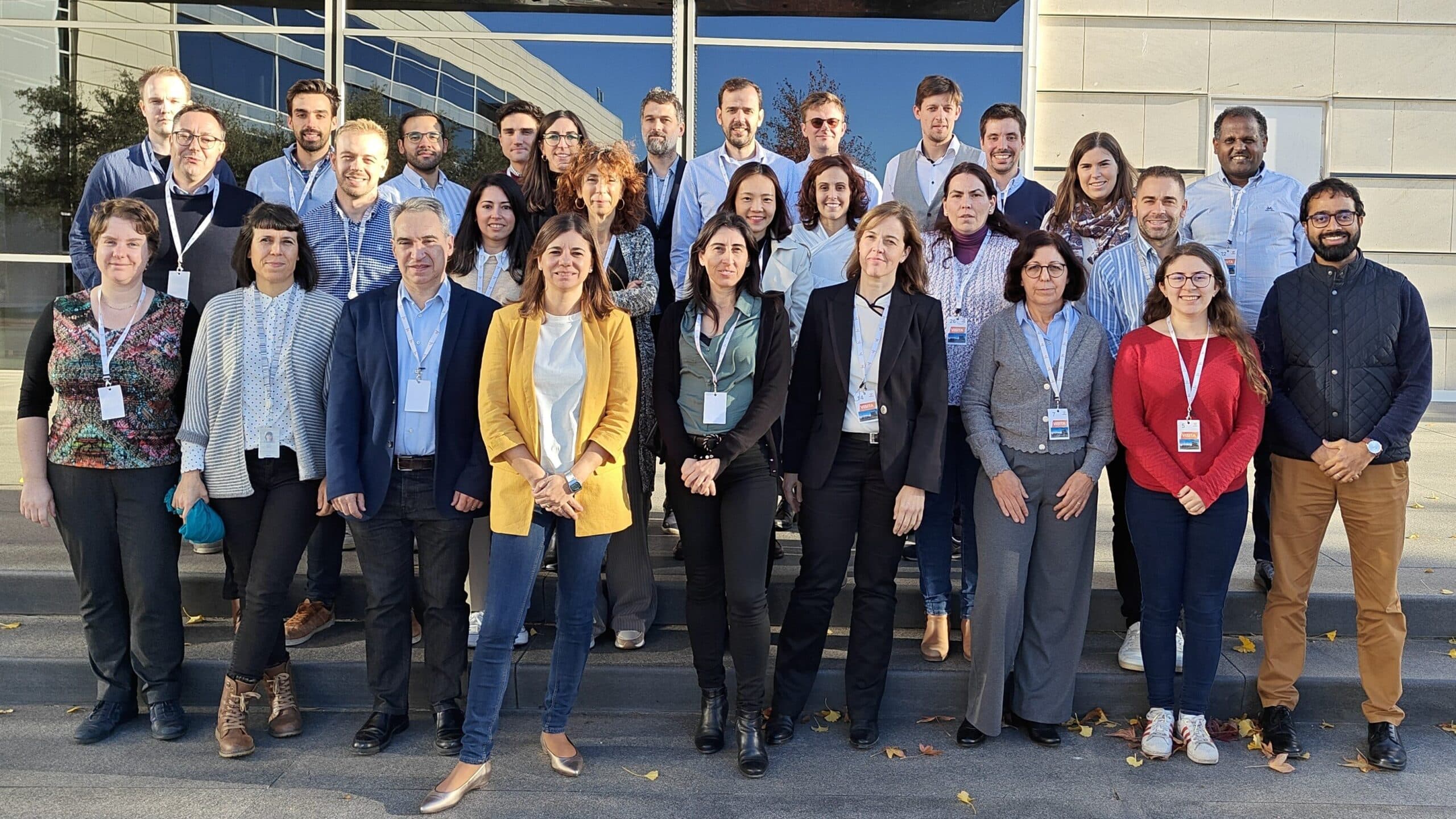
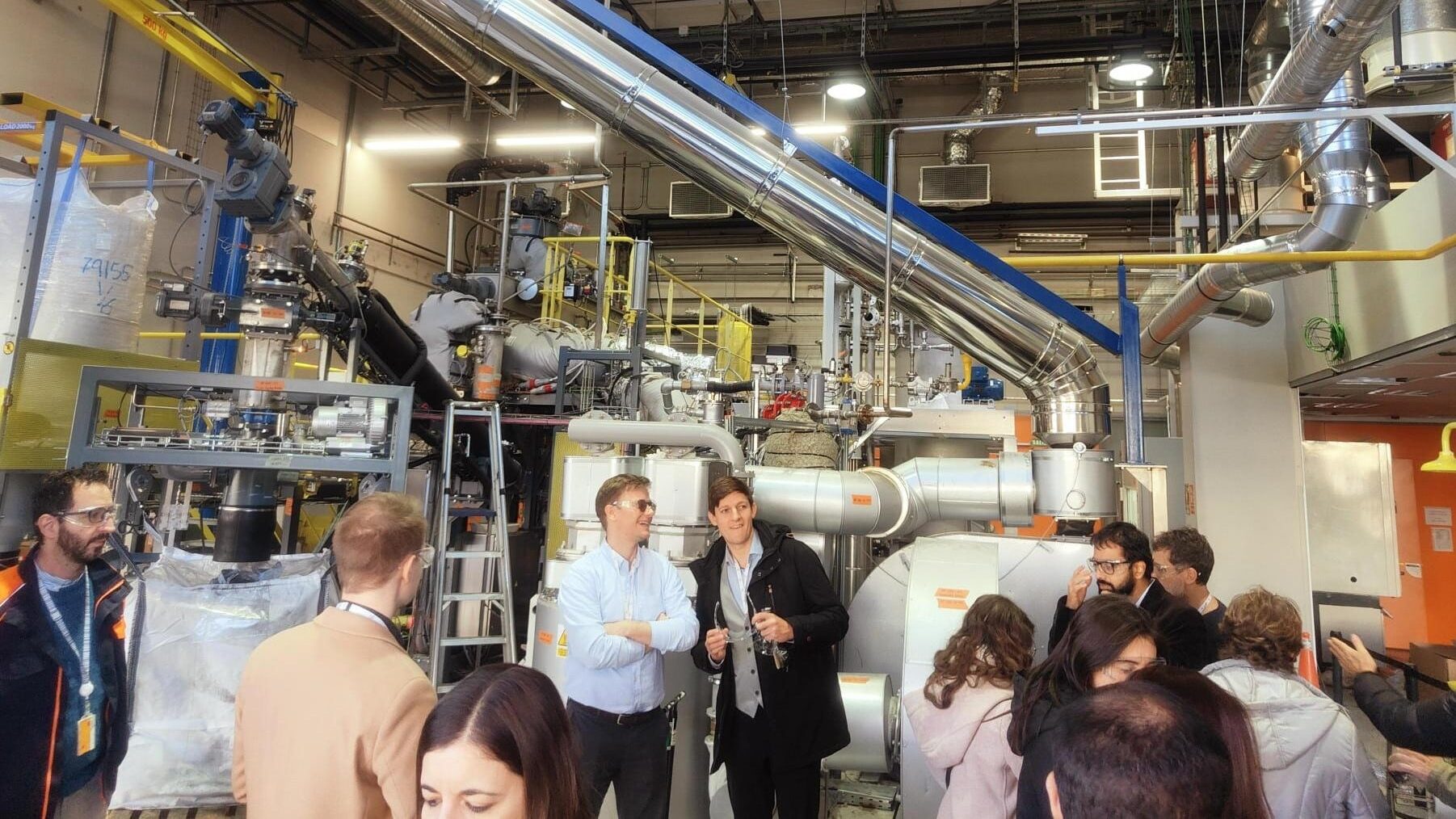
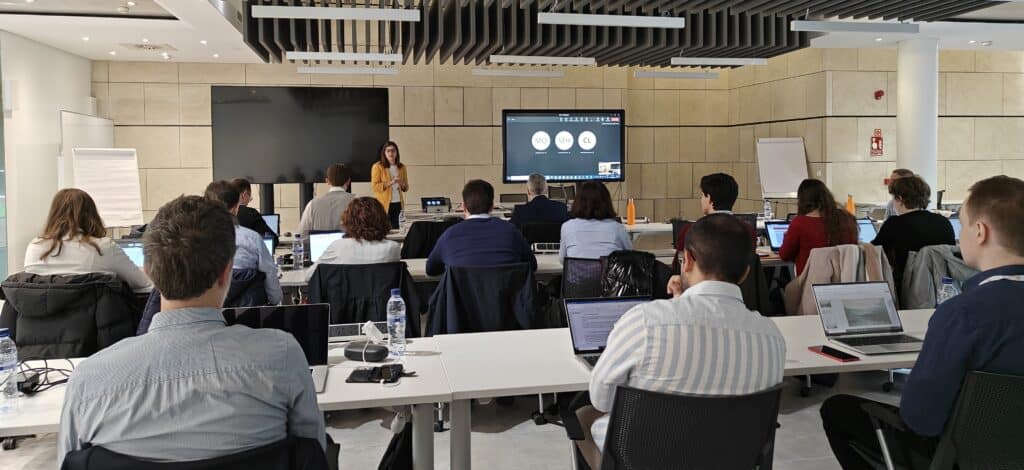
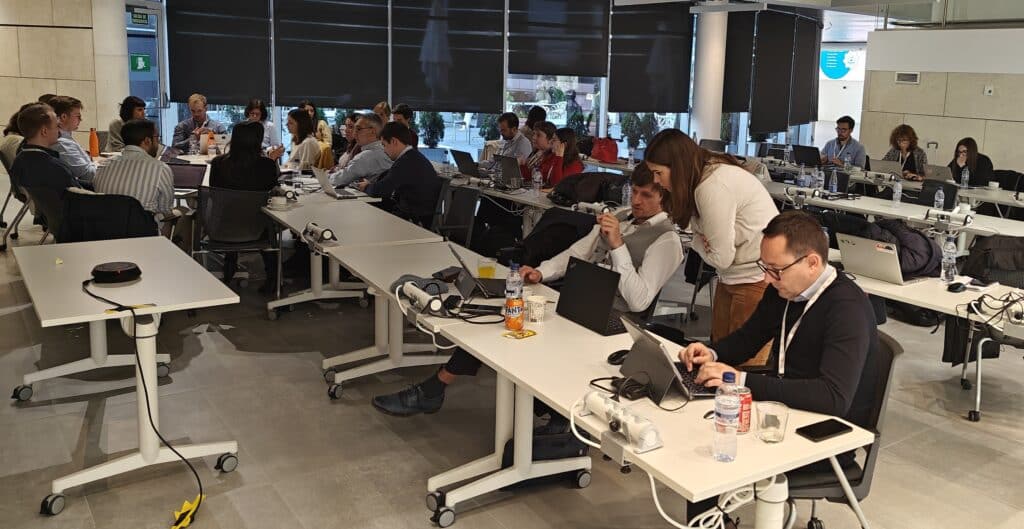
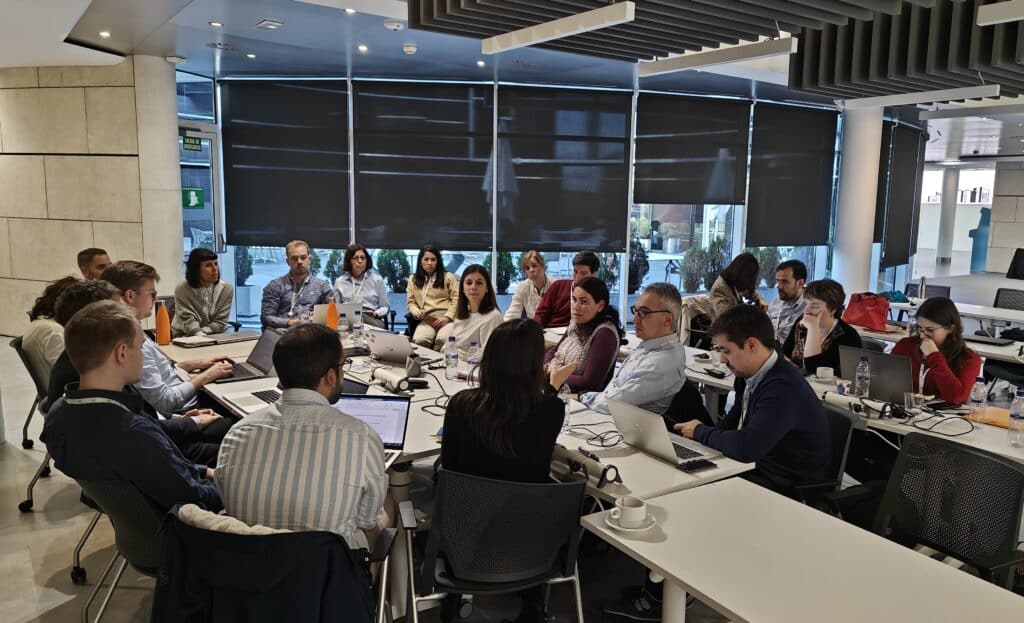
Hosted by ACTECO, the two-day meeting highlighted the progress made by the consortium in key technical work packages. The partners discussed challenges, agreed on solutions, and outlined next steps in the project’s goal towards transforming plastic waste into valuable resources. The event concluded with a valued visit to ACTECO’s state-of-the-art facilities, showcasing processes and know-hows implemented within the project and beyond.
“Important insights have been acquired in this gathering that will feed into the concept and design of the Plastics2Olefins demo plant,” comments Raquel Moreno from ARTTIC Innovation.
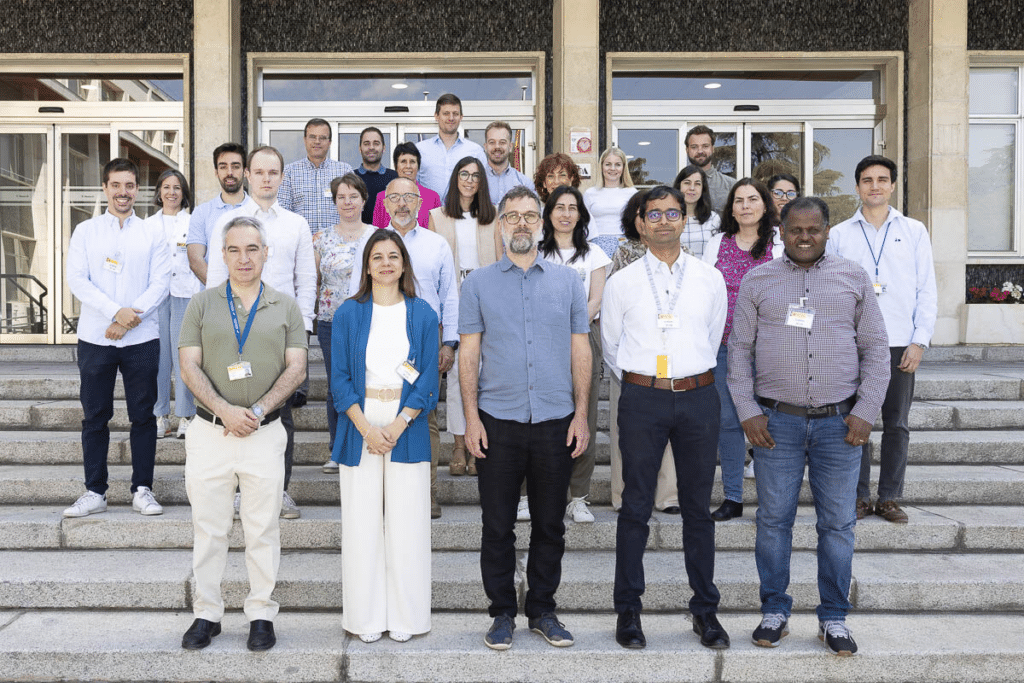
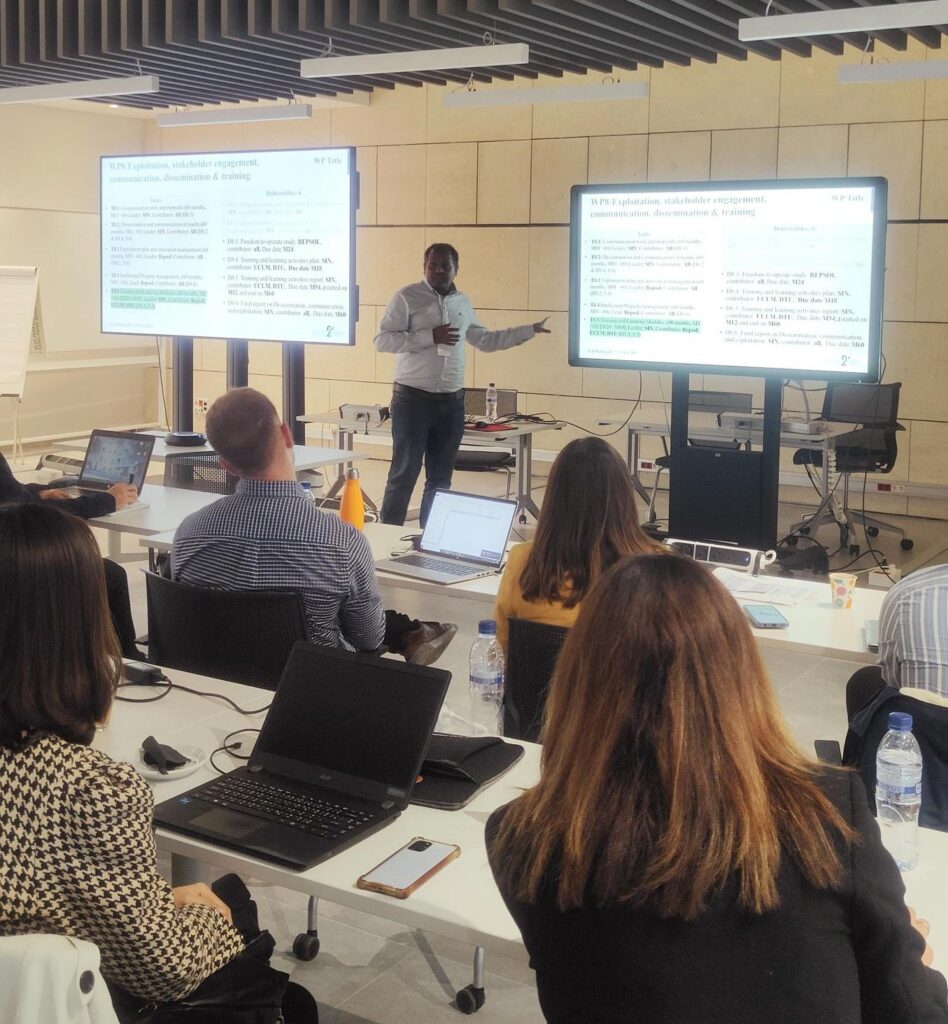
Rebeca Yuste (coordinator from REPSOL) and Ángel Martinez (ACTECO) opened the meeting with a warm welcome and overview of the participants’ schedule. Further, the Work Package (WP) and task leads presented the progress on their respective tasks and activities and main achievements within the last period.
On the second day we had a fruitful visit to ACTECO’s cutting-edge facilities in Almansa and Ibi, where we saw firsthand how they’re transforming plastic waste into valuable materials to be taken to the Repsol plant to go through an innovative pyrolysis process to obtain olefins.
“We saw first-hand waste storage, processes and final products processed in ACTECO’s facilities, which will contribute having a feasible concept and design of the Plastics2Olefins demo plant,” says REPSOL coordinator Rebeca Yuste.
Exciting things ahead as we continue working together to drive sustainability and create a more circular economy!