
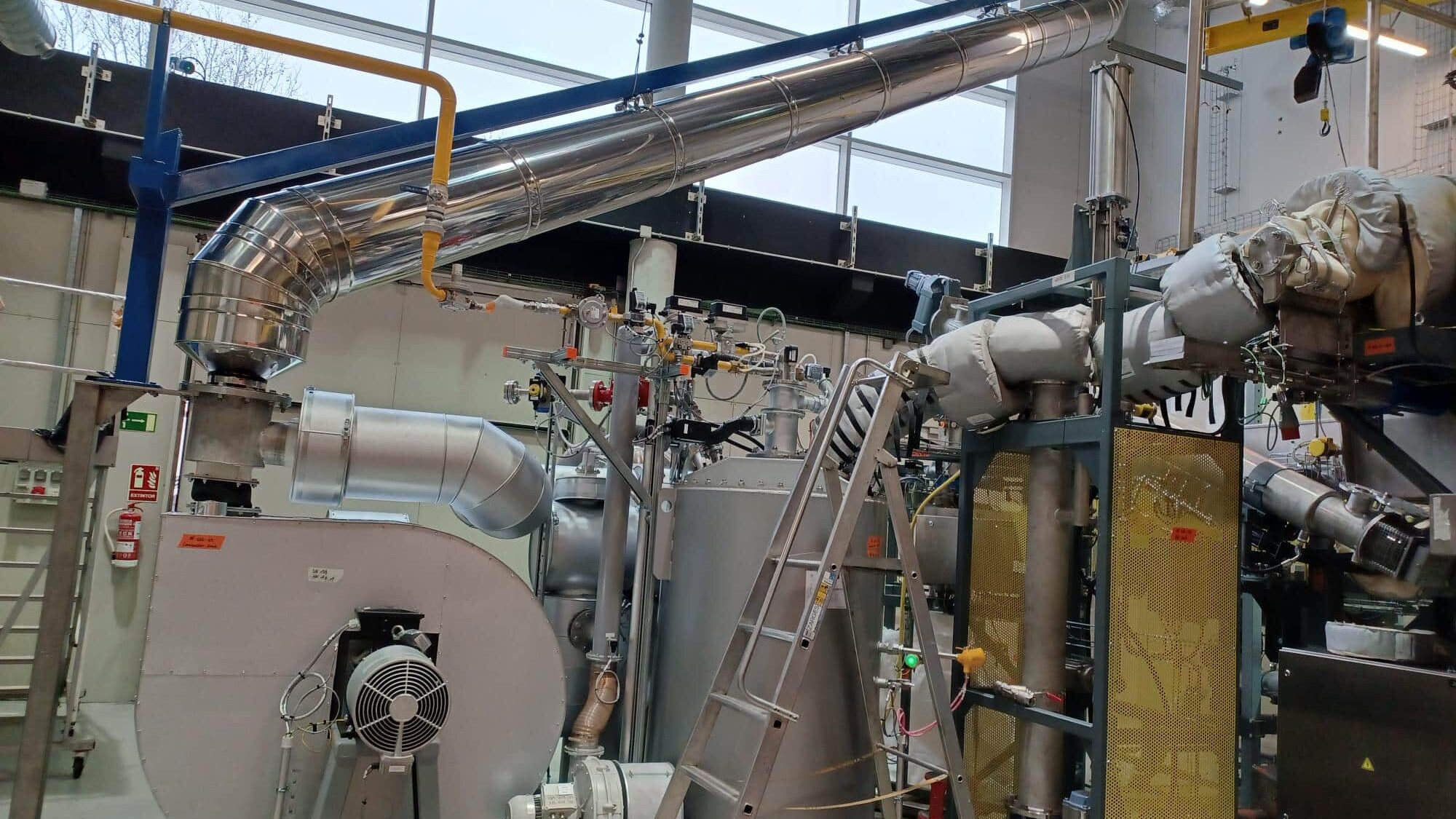
What if plastic waste could be transformed more efficiently into the very building blocks needed to produce new plastics?
That is the vision driving Plastics2Olefins, the Horizon Europe project coordinated by Repsol. Rather than following the conventional approach to chemical recycling, the project has developed and validated an innovative high-temperature pyrolysis process that maximises the production of circular olefins – the essential raw materials for manufacturing new plastics.
- Read also: From Pilot Progress to Future Impact: Highlights from GA#8 in Madrid
- Read also: Repsol Leads the Way in Chemical Recycling with Plastics2Olefins
By rethinking how plastic waste is converted, Plastics2Olefins is paving the way for a more efficient, lower-carbon, and industrially scalable recycling solution.
A New Approach to Chemical Recycling
Traditional chemical recycling processes typically focus on producing liquid products that require further upgrading before they can be transformed into new chemicals.
Plastics2Olefins takes a different route.
Instead of treating pyrolysis gas as a secondary by-product, the process is specifically designed to maximise the production of light hydrocarbon gases that can be converted directly into circular olefins.
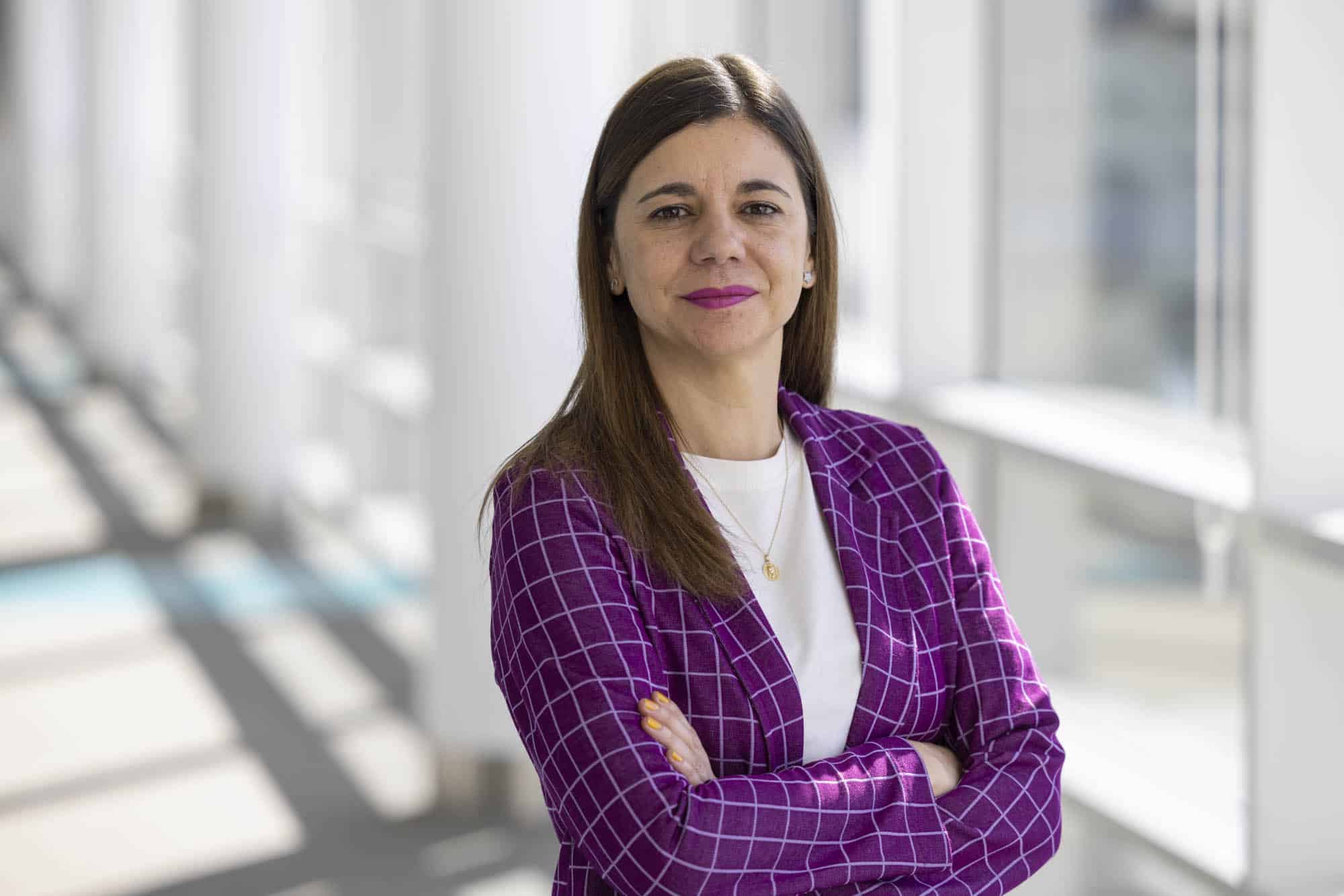
“The novelty of Plastics2Olefins lies in its alignment of chemical recycling product slates with the intrinsic logic of olefin production. While conventional plastics pyrolysis routes prioritise liquid intermediates that require extensive upgrading, Plastics2Olefins is purpose-designed to maximise the production of light hydrocarbon gases from mixed and contaminated plastic waste,” says Rebeca Yuste Pilar, Technical Advisor in Circular Economy and Renewable Fuels at Repsol.
Operating at higher temperatures promotes extensive cracking reactions, reducing the formation of heavy liquids and waxes while increasing the yield of valuable gaseous products.
The result is a process capable of recovering up to 30% more circular olefins than conventional low-temperature plastics pyrolysis technologies, making better use of the carbon contained in plastic waste.
Delivering Measurable Climate Benefits
Beyond technical innovation, Plastics2Olefins aims to deliver tangible environmental improvements.
Life cycle assessment (LCA) results indicate that the process can reduce greenhouse gas emissions associated with circular ethylene production by around 70% compared with conventional plastics pyrolysis routes when powered by renewable electricity.
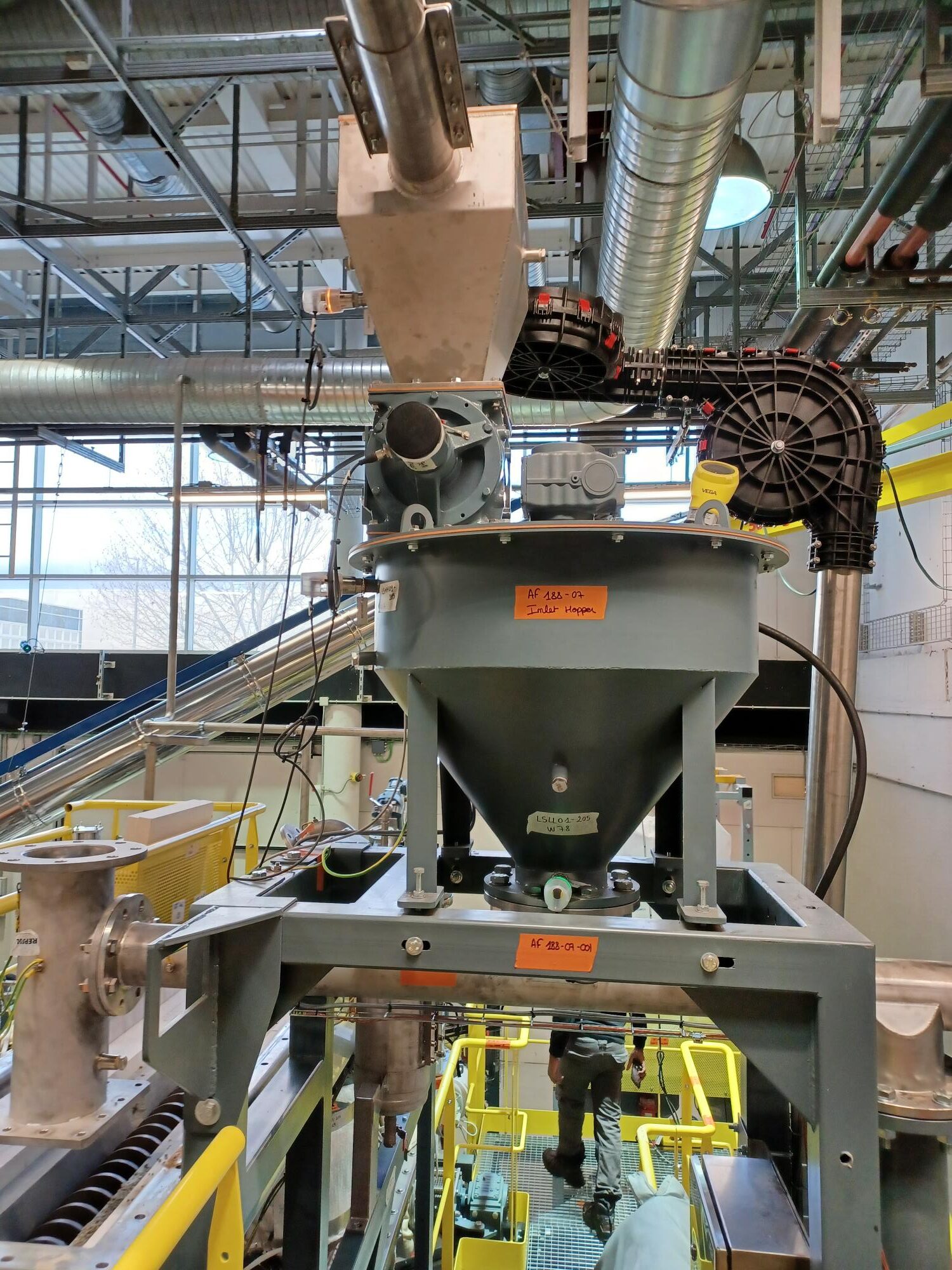
“These benefits arise not only from the energy supply but also from the higher olefin yields and the integration of the pyrolysis gas downstream the furnaces of the steam cracker,” says Yuste Pilar.
By improving carbon utilisation while reducing emissions, the technology supports both Europe’s climate ambitions and the transition towards a circular plastics economy.
Building the Future of Circular Petrochemicals
As coordinator of Plastics2Olefins, Repsol is leading the development of a technology that fits naturally within existing petrochemical infrastructure while addressing one of the industry’s biggest challenges: producing high-value circular feedstocks from difficult-to-recycle plastic waste.
“Plastics2Olefins offers a scalable pathway to increase circular olefin production, reduce the carbon intensity of the circular olefins, and support compliance with tightening circular economy and climate frameworks,” concludes Yuste Pilar.
With the technology now successfully validated at pilot scale, the project is laying the groundwork for future industrial deployment and helping redefine how chemical recycling can contribute to a more sustainable plastics value chain.