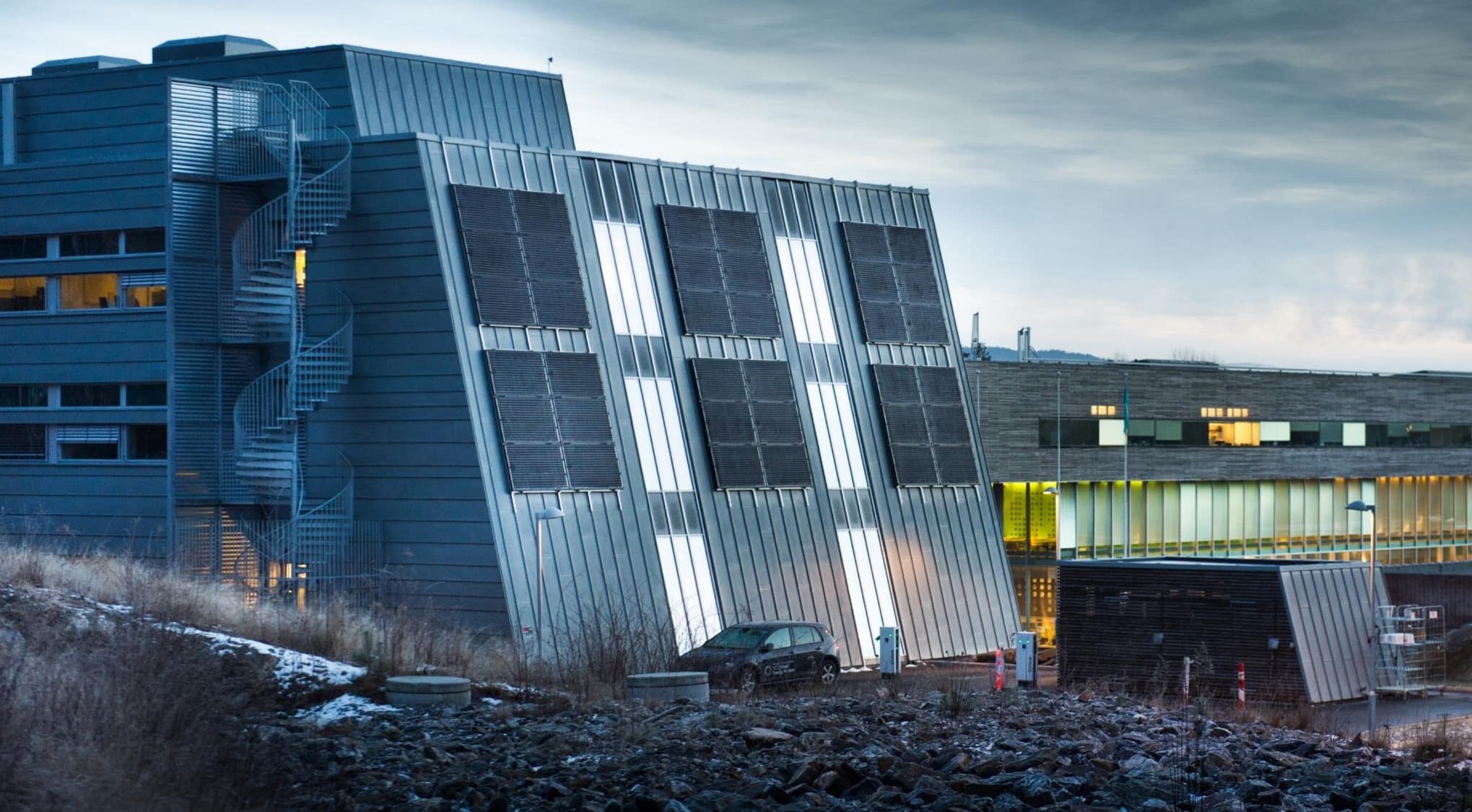
Smart Innovation Norway plays a pivotal role in the EU-funded Plastics2Olefins project, which aims to transform unsorted plastic waste into valuable olefins through advanced pyrolysis technology.
As an independent research and innovation company operating across the Nordics, with teams in Norway, Sweden, Denmark, and Finland, Smart Innovation Norway holds a strong position in Europe. The company works strategically with energy transition and applied artificial intelligence (AI) – always with user needs and societal impact at the center.
“We combine research, business development, and collaboration to create solutions that are implemented in practice,” says Dr. Alemu Moges Belay, Head of Energy Systems at Smart Innovation Norway.
- Read also: DTU – Using Life Cycle Assessment to Guide Circular Innovation
- Read also: Técnicas Reunidas – Engineering the Future of Circular Solutions
As part of a consortium of 13 partners, Smart Innovation Norway contributes to the project’s sustainability and techno-economic assessment. The innovation company applies cost–benefit analysis (CBA), supports the development of the exploitation strategy, leads communication and dissemination activities, and is responsible for the development of training and learning modules.
“These are critical elements for bridging technical innovation with commercial exploitation and adoption,” comments Dr. Belay.
Driving Sustainability and Replicability
Under Work Package 7 (WP7), Smart Innovation Norway supports comprehensive sustainability evaluations, including life cycle assessment (LCA) as well as feasibility and replicability studies.
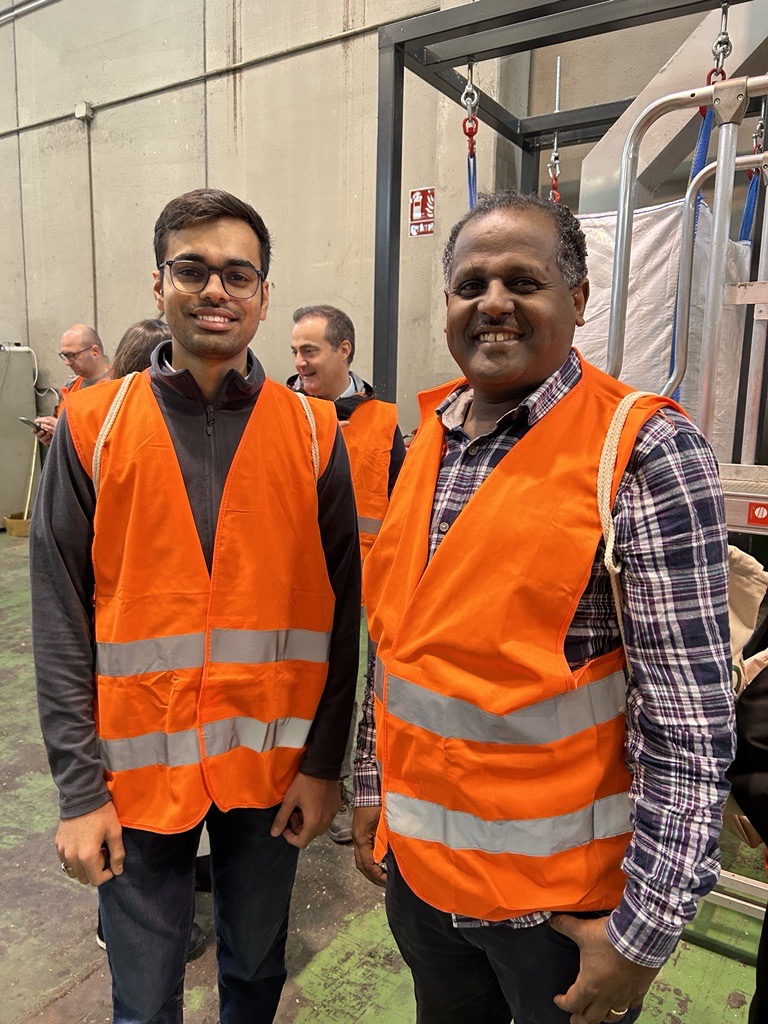
“These efforts ensure that the proposed Plastics2Olefins technology and process deliver significant greenhouse gas reductions and align with circular economy principles,” explains Dr. Belay.
This work helps assess the scalability of the solution across diverse industrial and geographical contexts, strengthening the project’s long-term environmental and economic viability.
Leading Exploitation and Outreach
Smart Innovation Norway leads Work Package 8 (WP8), which focuses on exploitation, communication, dissemination, and training. Key responsibilities include:
- Contributing to exploitation strategies and the associated intellectual property frameworks
- Analysing the economic viability of the project solution to support commercialisation
- Developing the project’s visual identity and coordinating communication, dissemination, and outreach activities to enhance visibility
- Creating training and learning modules to equip employees, future taskforces, and key stakeholders with knowledge on high-temperature pyrolysis and sustainable feedstock integration
“These initiatives ensure that technical breakthroughs translate into practical, market-ready solutions,” notes Dr. Belay.
From Pilot to Industrial Demonstration
The Plastics2Olefins project is progressing from pilot activities toward industrial-scale demonstration at Repsol’s site in Spain. Using high-temperature pyrolysis (approximately 700 °C), the process converts unsorted plastic waste into olefin-rich syngas, offering an estimated 70–80% reduction in life-cycle greenhouse gas emissions compared to incineration.
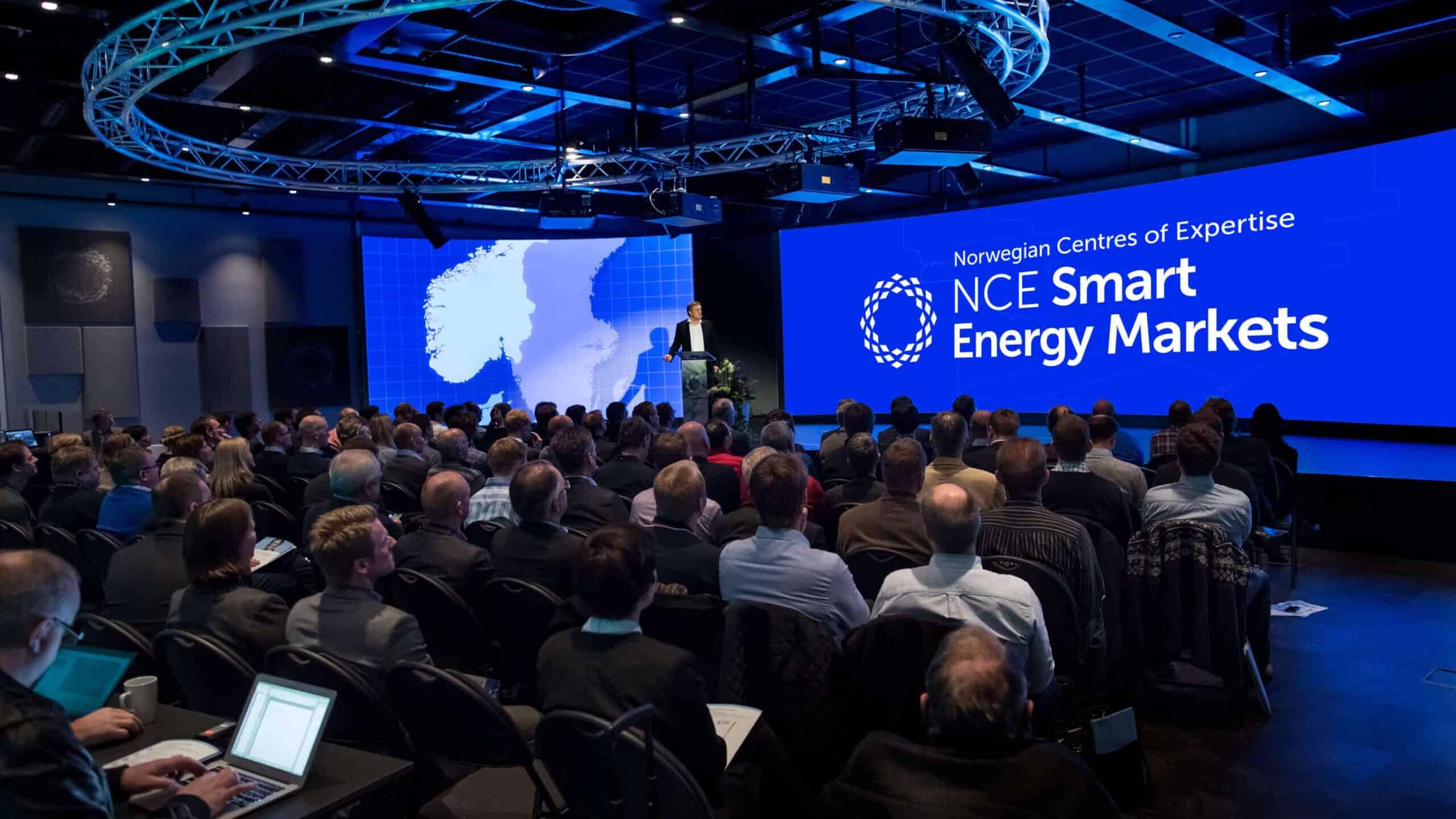
“Smart Innovation Norway’s dual role—combining sustainability analysis with strategic exploitation—positions the organisation as a cornerstone in the project’s transition from research to commercialisation,” says Dr. Belay.
Looking Ahead
As the project approaches further pilot-scale operational trials, Smart Innovation Norway will finalise the techno-economic assessment, complete scalability and replicability analyses, roll out training programmes, and implement exploitation strategies to support successful market uptake.
These efforts underscore the organisation’s commitment to advancing circular innovation and delivering tangible environmental and economic benefits.
“This capital-intensive project has progressed despite its complexity and the high level of ambition it set,” concludes Dr. Belay.